There is a stage of life that no one really prepares you for, and lately I have realized that I am standing right in the middle of it.
We spend so much of our lives planning the obvious milestones. College. Careers. Marriage. Babies. Houses. Retirement accounts. The whole thing gets mapped out like a timeline we are supposed to follow. There are books, podcasts, experts, and entire industries devoted to helping people navigate those stages. But this stage? The one where the roles that once defined your life quietly shift or even disappear? That part seems to get skipped entirely.
And yet here I am.
For years I was the director of my children’s lives. I scheduled things, organized things, advised on things, and occasionally insisted on things. Now I have moved into a role that no one warned me about: audience member. I am in the stands cheering them on as they build their own lives, trying very hard not to yell unsolicited advice from the sidelines like a slightly overenthusiastic sports/stage mom clapping as loud as I possibly can at every chance I get. It is a beautiful transition, but it is still a transition.
At the same time, another role in my life quietly ended. For the past few years I was a caretaker for my parents, and when they passed away that responsibility ended in a way that left a space I had never really anticipated. When you have been responsible for others for so long, it is a strange realization to wake up one day and understand that the person you are now responsible for caring for is… you.
Caretaker of myself.
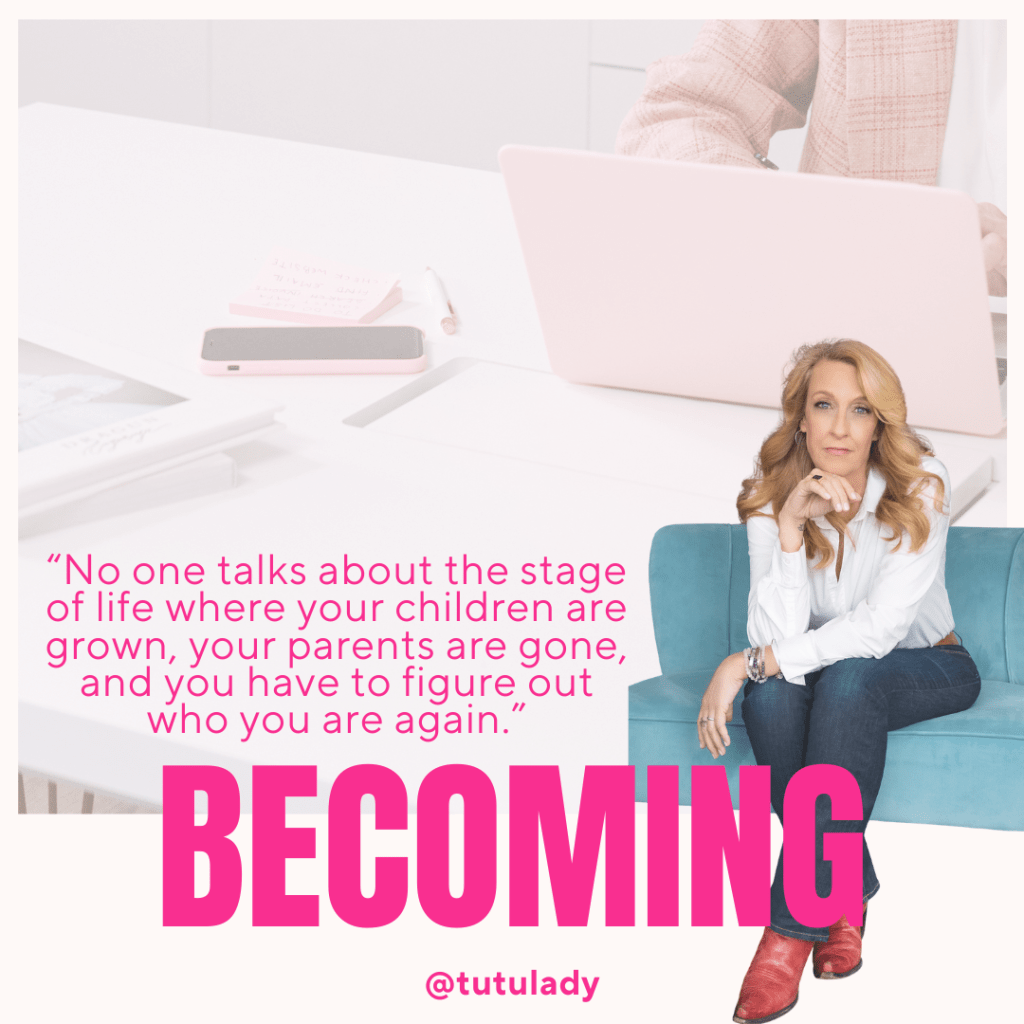
That is a role I never really planned for, and it turns out there is no instruction manual for it. No one sits you down and says, “Here’s what happens when your children are grown, your parents are gone, and you suddenly have to figure out who you are outside of the roles that filled your life for decades.”
Maybe that is why this season feels a little unsteady. Not wrong. Not sad or happy all the time. Just unfamiliar. Although, to be fair, the unsteady feeling could also be my joints reminding me that I am sixty. It is hard to say which is which some days.
Sixty is an interesting number because it sounds enormous when you say it out loud, yet somehow my brain did not get the memo. In my head I feel much younger than that. My body occasionally disagrees, but overall it is still cooperating well enough. There are a few more aches than there used to be, but nothing a little stretching, movement, and mild denial cannot handle.
And despite the uncertainty, life actually feels pretty full. I pay my own bills. I make my own decisions. If I want cheese and crackers for dinner, I have cheese and crackers for dinner and no one questions my life choices. If I want to stay up late reading, writing, or going down a rabbit hole of ideas for something new I want to build, I do that too. Some nights the house is quiet and peaceful, and other nights I am talking to the dog like he is a full participant in the conversation, which, based on the look he gives me, he clearly believes he is helping with the decision making process.
There is a certain freedom that comes with running your own life. I decide how I spend my time. I decide where my energy goes. If I want to sign up for something new, start a project, change direction, or sit with a cup of coffee and think about life for an hour, I can. There is no committee meeting required to approve the plan. There is also something deeply satisfying about realizing that the life around me is one I built myself over time, piece by piece.
And yes, I still sleep diagonally across the bed when I feel like it… unless the dog has claimed most of the mattress, which happens more often than I care to admit.
People sometimes assume that at this stage a woman must be looking for a partner, as though being single automatically means something is missing. As if there is a box on the life checklist that still needs to be filled in. But the truth is that I am perfectly content with my life as it is. I have built a life that feels full, meaningful, and mine.
If a partner ever enters the picture, they will need to be a one hundred percent value add to my life. Not a fixer-upper project. Not someone who needs to be managed, motivated, or mothered. I am long past the stage of my life where I am interested in taking on another full-time emotional renovation project. At this point, anyone who joins my life should arrive with their own life already intact.
Someone who brings joy, laughter, and partnership to the table. Someone who makes the good parts of life even better, not someone who complicates the peace I have worked hard to create. Otherwise, I am quite happy running my own life, making my own decisions, and yes… sleeping diagonally across the bed.
What I do find myself wondering about, though, is how many other women are standing in this same space.
How many of us are just a bit past the midpoint of life and realizing that there is still so much living left to do, while also recognizing that the structure of our lives has shifted in ways we never really planned for? We are no longer raising small children. Many of us are navigating the loss of parents or other loved ones. The roles that once defined us are evolving, and we are discovering who we are when we are no longer primarily responsible for everyone else.
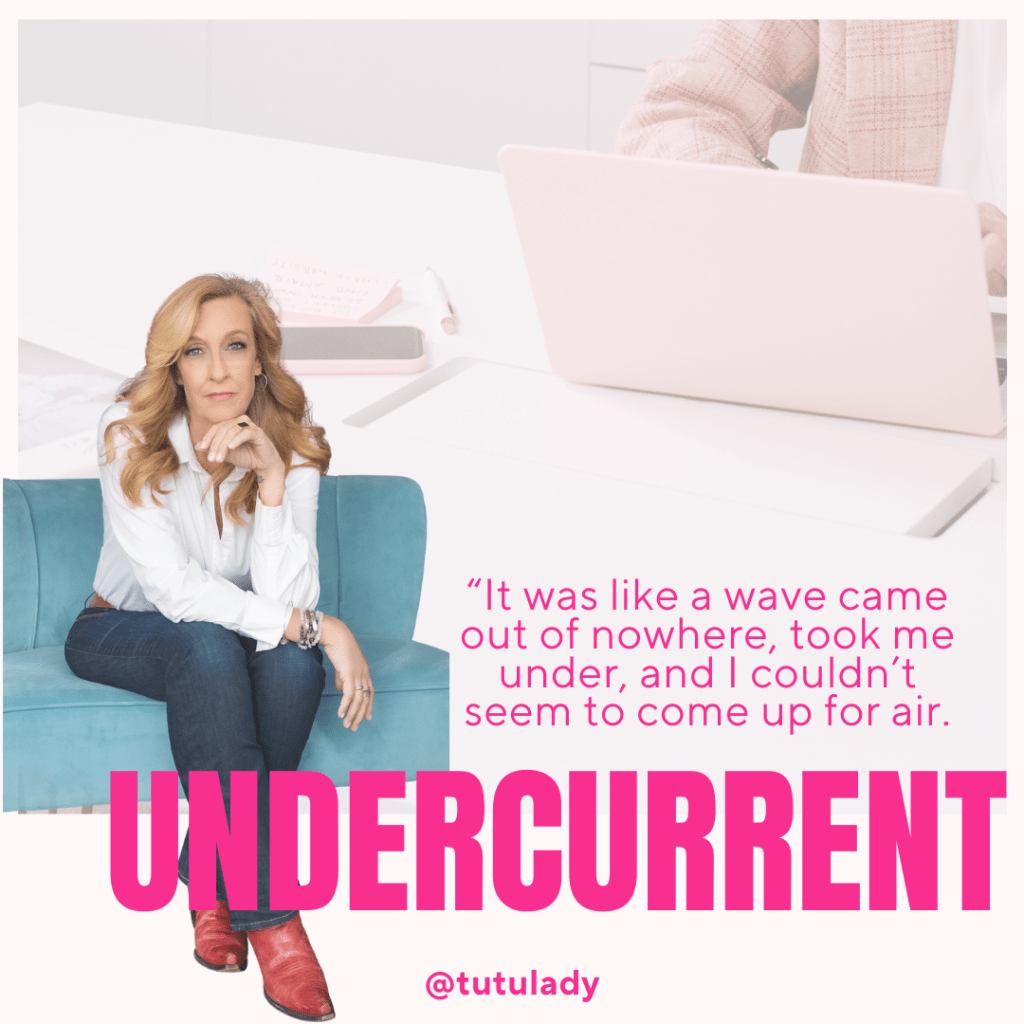
The loss of my parents is still very raw, and grief has a way of rearranging the furniture in your life whether you are ready for it or not. Some days I feel strong and clear about what comes next, and other days I feel like I am simply doing my best to put one thoughtful foot in front of the other. But somewhere inside all of that is the quiet understanding that this is now my time to discover what my life looks like in this new space.
It is a space that many women never really get the chance to explore. Sometimes that is because they have a partner whose life direction becomes intertwined with their own. Sometimes it is because life moves so quickly that there is never time to stop and ask, What do I want now? And sometimes, if we are honest, it is simply fear. Fear of stepping outside the roles we have known for decades. Fear of the unknown. Fear of standing in a place where there is no clear guidebook.
Because there really isn’t one.
This era of life does not come with instructions. There is no neatly packaged plan for what to do when your children are grown, your parents are gone, and you suddenly realize that the next chapter of your life is largely yours to design.
That realization is both terrifying and incredibly liberating.
So for now, I am doing what I have always done when life feels uncertain. I am moving forward, learning as I go, and paying attention to what feels meaningful. I am allowing myself the space to grieve, the space to grow, and the space to imagine what this next era might hold.
And I suspect I am not the only woman standing in this place.
Which is why I find myself thinking more and more about community. About women walking alongside one another through this stage of life instead of quietly trying to figure it all out alone. Women who are still very much in their prime, still curious, still capable, still full of life, but also honest about the fact that this chapter comes with questions.
Maybe together we can help create the path that none of us were given. We can support one another as we figure out what this next era looks like, share what we are learning along the way, and build something that not only helps us move forward but also creates space for the women who will come after us.
Because while there may not be a guidebook for this part of life, there is something powerful about realizing that we have the ability to write it ourselves.
And for now, I will keep doing the one thing I know how to do.
Moving forward.
Because forward is a pace.
Peace,
#tutulady
#forwardisapace
 Kristine Binder